
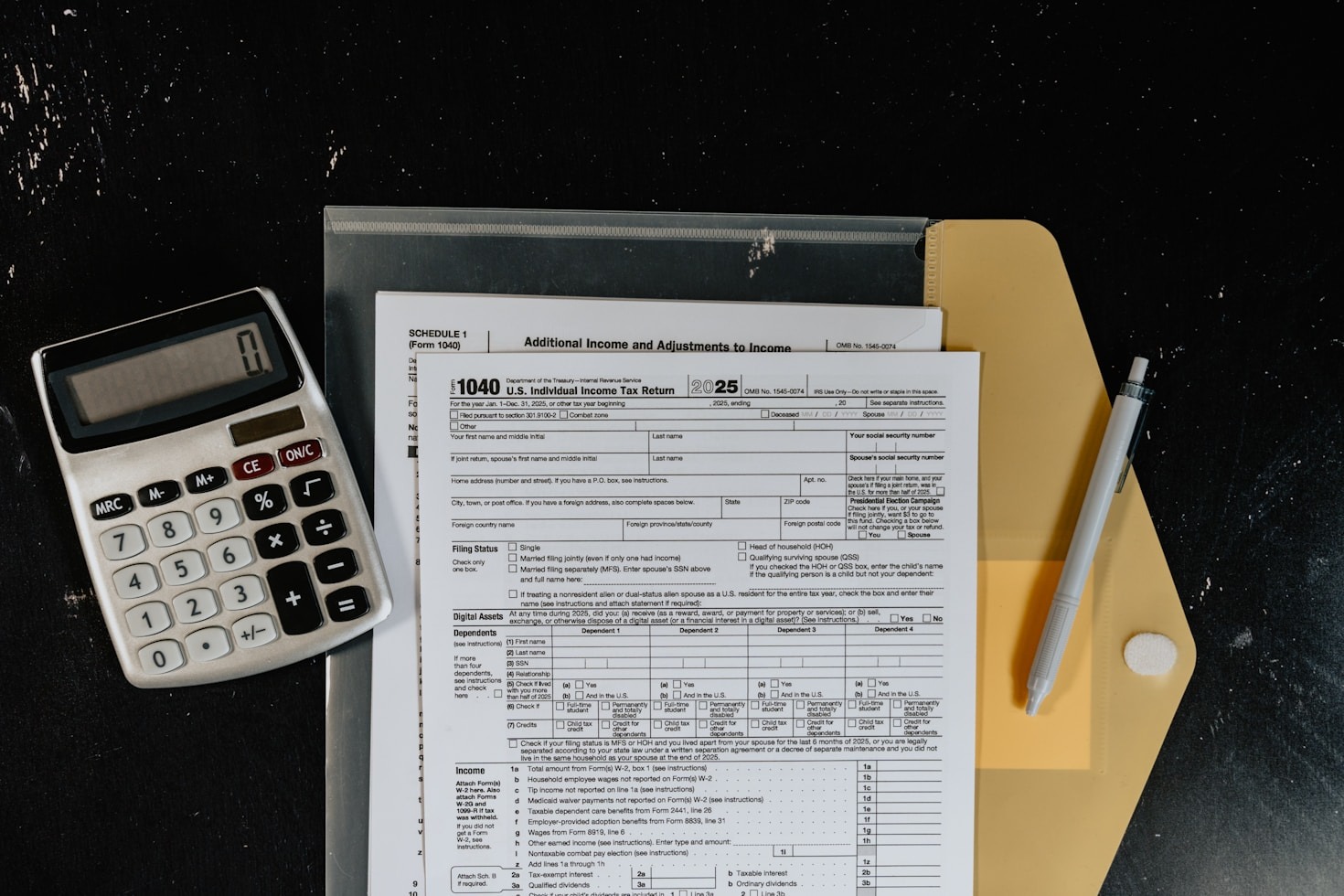
If you are an expat who lives, works or invests in Spain, you need to know about taxes in Spain. Spanish tax rules differ in many ways from those in other countries and can be confusing. In this guide we explain the main taxes in Spain clearly and practically.
When are you taxed in Spain as a resident?
You are considered tax resident in Spain if:
- you spend more than 183 days a year in the country
- the centre of your economic or family interests is in Spain
In that case, you are taxed in Spain on your worldwide income.
If you spend fewer than 183 days in Spain, you are generally considered a non-resident and are only taxed on the income you earn in Spain.
Which taxes are there in Spain?
1. Personal income tax (IRPF)
IRPF applies to everyone resident in Spain and is progressive.
It is levied on, among other things:
- salaries
- rental income
- investment income
2. Non-resident income tax (IRNR)
Non-residents pay tax on the income they earn in Spain, for example:
- rental income
- own use of a property
Even if you do not rent out the property, tax may be due.
3. Wealth tax
This tax is levied on assets above certain tax-free thresholds and varies depending on the autonomous community.
Differences between taxes in Spain and in your home country
Some key differences:
- Different tax rates and progression
- Different treatment of property
- Regional differences within Spain
That is why individual planning is decisive.
Avoiding double taxation
Spain has agreements to avoid double taxation with many countries, including Germany and the United Kingdom.
This means that:
- income is not taxed twice
- credit or exemption rules apply
The system of taxes in Spain is complex, especially for foreign nationals with international income or property. Professional advice helps you avoid mistakes and optimise your tax bill.
Personal advice on taxes in Spain
Every situation is different and the rules change frequently. That is why we recommend reviewing your specific case before making decisions. You can find the official information on the Spanish Tax Agency’s online office.
If you would rather delegate it, at Carrasco & Fischer we help you with everything related to taxes in Spain: we analyse your situation, prepare the documents and handle the procedures with the authorities, in English, German or Spanish. You will find more information on our tax advice in Spain page.