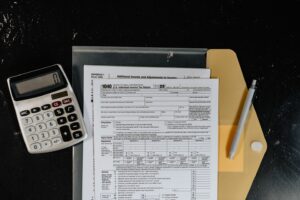

 A new rule applies to short-term rentals in Spain: anyone who rents out a furnished flat or holiday apartment must, from 1 December 2026, generally charge 10% Spanish VAT (IVA) on stays of up to 30 nights. For landlords this also means issuing invoices showing VAT and, as a rule, filing a tax return every quarter. Official regulation in the Spanish Official State Gazette (BOE)
Which short-term rentals are affected?
What matters is the length of stay of the same tenant. A stay of exactly 30 nights is also covered by the new rule. It applies even if you only rent occasionally, do not offer hotel-type services or the booking is made through a platform such as Airbnb or Booking.com.
An exception applies, for example, if you rent out a room in your own main residence. For stays of more than 30 nights, the rental is generally exempt from VAT, provided you do not offer hotel-type services.
What do landlords have to do?
- Register the rental activity with the Spanish Tax Agency. If you are charging VAT on your rental for the first time, you must register the activity for tax purposes or update your existing details.
- Issue invoices with VAT. For example, if a stay costs €500 excluding VAT, the total price is €550, of which €50 is VAT.
- File form 303 every quarter. As long as the activity is registered, you must also file the return for quarters without bookings. Payment is only due if, after deducting the allowable VAT on your expenses, there is an amount left to pay.
If the new rule already applies to you in December, your first return will cover the fourth quarter of 2026. The filing deadline ends on 1 February 2027. After that, the regular deadlines fall in April, July, October and January.
What about bookings that are already confirmed?
If you have accepted bookings from December or have already received deposits, have the booking documents checked before you issue invoices. Have the booking confirmation or rental agreement, the arrival and departure dates, the agreed price and the receipts for deposits received ready. This will make it possible to determine whether VAT is due and in which quarter it must be declared.
If you rent out a property as the tenant’s permanent home, you should also take note of the changes to Spanish income tax (IRPF). Which reduction applies depends, among other things, on the date the rental agreement was signed and, in certain cases, on its renewal.
Short-term rentals: have your bookings checked
Do you rent out a holiday home in Spain? Contact Carrasco & Fischer and let us know whether you rent directly, through an agency or through a booking platform. We will check which bookings are affected and help you with registration, invoicing and the quarterly VAT returns.